Kia Soul: End of the Road for the Boxy Icon
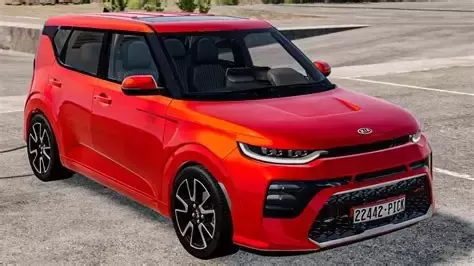
The Kia Soul, a vehicle synonymous with its quirky, boxy design, is bowing out of the automotive scene after nearly two decades. While the mid-2000s saw a surge in box-shaped subcompacts, including the Nissan Cube and Toyota xB, the Soul distinguished itself through memorable marketing and lasting appeal. Production ceases this month, marking the end of a run that saw over 1.5 million units sold in the U.S.
Kia's success with the Soul can be attributed, in part, to its clever "A New Way to Roll" campaign. The now-iconic hamster commercials, which debuted in 2009, were a major hit, earning advertising accolades and solidifying the Soul's image as a fun, youthful vehicle. This marketing push even led to the special edition 2010 Kia Soul Ham-star.
Kia explored the Soul's potential with concept vehicles like the open-top Soul'ster and the high-performance, all-wheel-drive Track'ster. The Track'ster, boasting 250 horsepower, previewed design elements that would appear in the second-generation Soul (2014 model year), although all-wheel drive never made it to the production model (that capability later arrived in the Kia Seltos).
The Soul reached a significant milestone in 2018, surpassing 1 million units sold, coinciding with the launch of its third generation as a 2019 model. Sadly, there will not be a fourth generation. The Soul's departure is particularly felt in a market where affordable vehicles are becoming increasingly scarce. Starting at just $21,935, the Soul was one of the most accessible crossover options. Its exit leaves a void in the segment, with only a few competitors offering similar value. Beyond its affordability, the Soul will be missed for its distinctive and playful styling.