Mercedes-Benz: Buttons Are Back! Customer Feedback Wins
In a surprising move driven by customer feedback, Mercedes-Benz is bringing back physical buttons and rocker controls to its vehicle interiors. This decision comes even as the automaker launches its most advanced, software-defined vehicles and anticipates a future dominated by voice commands and AI.
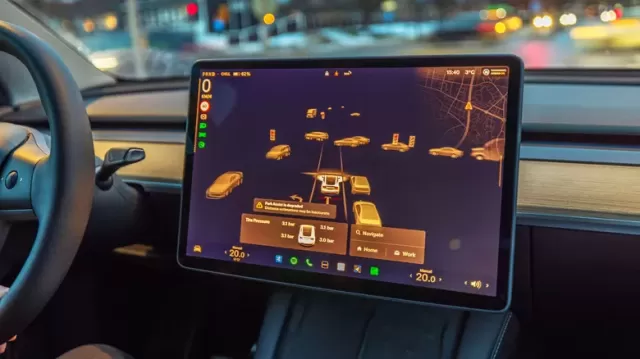
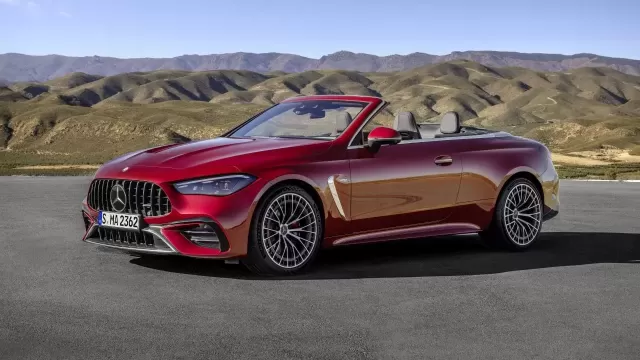
The 2026 Mercedes-Benz CLA and the 2027 Mercedes-Benz GLC mark a new era for the brand, with extensive over-the-air update capabilities for nearly every aspect of the car. These models also boast the cutting-edge fourth-generation MBUX infotainment system, complete with large touchscreens.
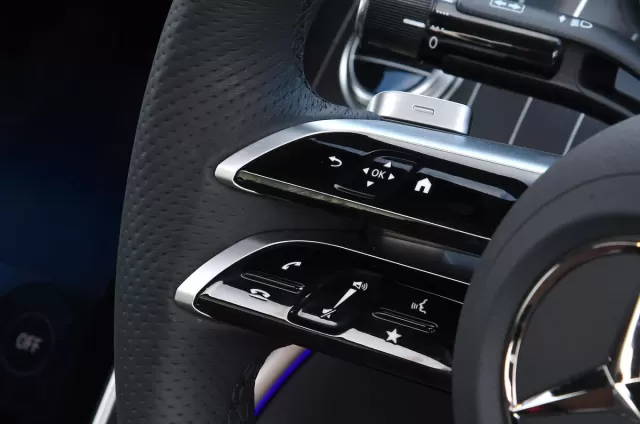
However, data revealed a significant customer preference for traditional controls, particularly when it comes to basic functions like adjusting the audio volume. The upcoming GLC will feature a redesigned steering wheel incorporating physical rollers, and this change will also make its way to the CLA sedan. The current CLA, already available in Europe with haptic controls, will be updated to reflect this shift.
Why the About-Face?
Mercedes-Benz acknowledges that its initial embrace of touch-sensitive controls may have been premature. According to Ola Källenius, Chairman and CEO of Mercedes-Benz Group, the company recognized the need to prioritize user experience above pure technological innovation. Despite the functionality of haptic controls, customer demand for the return of physical rollers was undeniable.
The Voice of the Customer
Mercedes-Benz's decision is rooted in extensive market research that highlighted the importance of balancing digital and physical controls. While touchscreens remain crucial, especially in markets like China, the company recognizes that a one-size-fits-all approach is not ideal. The key is to create a harmonious blend of hard controls, augmented reality head-up displays, expansive screens, and advanced speech recognition.
Looking ahead, all models will feature redesigned steering wheels with intuitive physical controls alongside select haptic elements. Touchscreens will remain an option for those who prefer them, allowing Mercedes-Benz to cater to a diverse range of preferences.
The Rise of Voice Command
Mercedes-Benz envisions a future where voice commands become the primary interface for interacting with vehicles. The company has seen a significant increase in the use of voice commands and believes that AI will revolutionize how people engage with technology.
Voice assistants, powered by AI, can provide a more seamless and intuitive customer experience. Instead of navigating complex menus or selecting specific apps, drivers and passengers can simply tell the voice assistant what they want, and the system will handle the rest.
Mercedes-Benz currently offers voice command functionality in numerous languages, leveraging a core system refined by local experts. The company believes that advancements in AI language models will further enhance the accuracy and responsiveness of voice control.
The AI Revolution is Here
Mercedes-Benz is preparing for a transformative wave of AI, which they believe will redefine the way people interact with machines. The automotive environment is particularly well-suited for voice-based interaction, offering a quiet and private space for natural conversations.
Vehicle screens will play a supporting role in this transition, providing visual information to complement voice commands. The user interface will become more dynamic and adaptable, reflecting the user's needs and preferences. Mercedes-Benz aims to be at the forefront of this AI-driven revolution.